
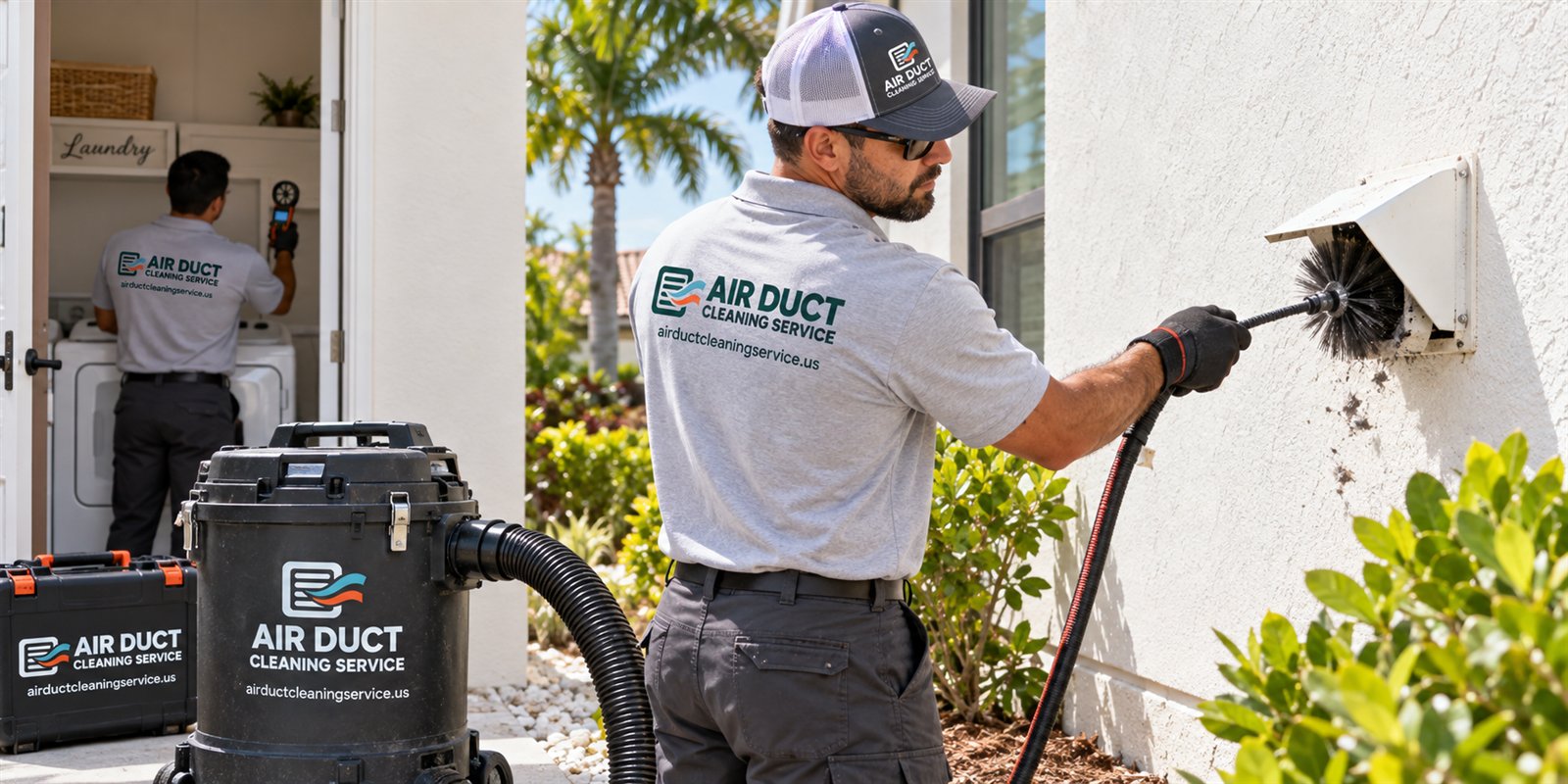
How dryer exhaust works in a tall building
In a single-family house, a dryer vent is a short run from the back of the machine to an outside wall. In a condominium tower or a mid-rise apartment building, there is rarely an outside wall to use, and units are stacked one above another. The common solution is a vertical exhaust shaft, sometimes called a riser, that serves a column of dryers. Each unit connects through a short branch from the dryer to the riser, and the riser carries the moist, lint-laden air up through the building to a termination on the roof.
Some buildings use a different design: a dedicated duct from each unit to a roof fan, a booster fan on the riser, or a horizontal run along a corridor ceiling to a central shaft. In others, each unit has an individual run through the slab or wall to a facade termination. What is present depends on when the building was built and how it has been modified.
The key point for a resident is that your dryer is probably not the end of the story. The branch behind your machine is only the first piece of a system that may be shared with many other units. Lint that leaves your branch can settle in the riser, and lint from other units can back up into yours. A clean branch cannot fully protect you if the riser is restricted, and a clean riser does not help if the branch behind your machine is crushed.
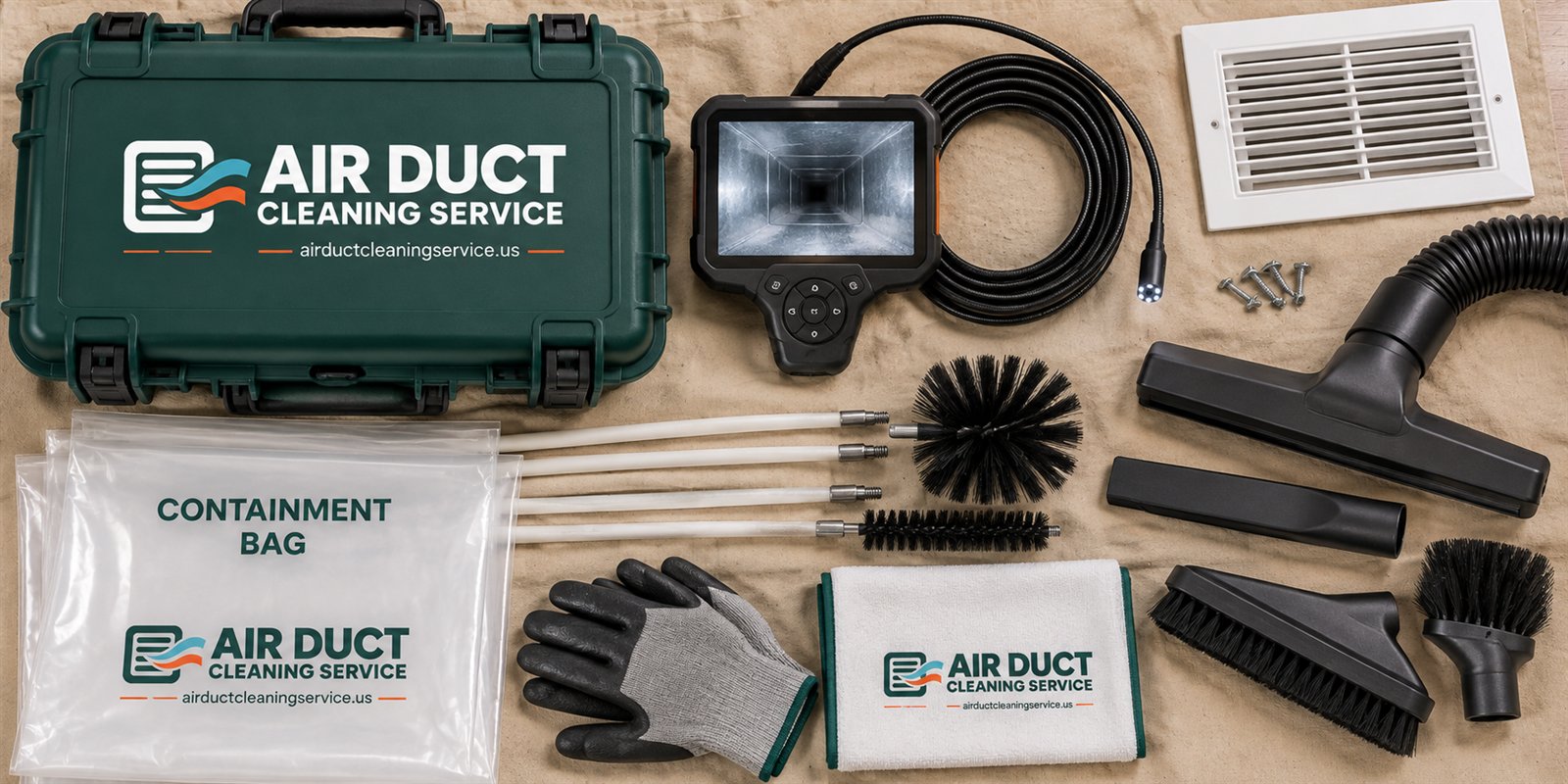
Why lint builds up in vertical runs
Air leaving a dryer carries heat, moisture and fine fibers. As it travels, it cools, and moisture can condense on duct walls. Lint sticks to damp surfaces and accumulates, especially at seams, bends, rough joints and screws that protrude into the airflow. In a vertical shaft, lint can also fall back down when the dryer stops, collecting at the base of the riser and at offsets where the shaft changes direction.
Long runs lose airflow. A dryer designed for a short vent may struggle against the resistance of a long vertical run, a booster fan that has failed or a termination cap that is clogged. When airflow drops, the dryer takes longer to dry clothes, runs hotter and the lint trap on the machine fills faster, all signs that the exhaust path is restricted.
Because the shaft is shared, the problem builds up across all the units. One neighbor who never cleans the lint filter or who uses a vinyl or foil accordion duct behind the machine adds lint and moisture to a shared system. Others in the line suffer slower drying and higher fire risk. This is why many buildings schedule cleaning of the full riser as a building-level task rather than leaving it to individual residents.
Fire safety and why the topic is taken seriously
Lint is combustible, and a dryer produces heat. When a vent is restricted, the heat has nowhere to go, and a fire can start in the machine or in the duct. This is widely recognized by fire safety organizations and by building managers. We do not offer statistics here, but the general guidance is consistent: keep the lint filter clean, keep the vent clear and have the exhaust system inspected and cleaned when airflow drops or lint is visible.
In a tall building, a duct fire is more serious than in a house, because it can travel in the shaft and reach multiple floors. For that reason, associations often require periodic inspection of riser systems, use fire-rated materials and limit what residents may connect. Many insurers and fire inspectors look at records of dryer exhaust maintenance.
If you see smoke, smell burning, or feel heat coming from the dryer or the vent, stop the dryer, leave the area, and call 911. Do not attempt to fight a duct fire yourself. The page on the dryer vent fire safety FAQ answers common questions about warning signs, and the page on dryer vent cleaning describes how a standard residential vent is cleaned.
What a single-unit visit can reach
A technician working inside one unit can reach the dryer, the connection behind it and the branch that leads into the wall or ceiling. They can clean the transition duct, check that the correct material is used, inspect the termination or the connection to the riser as far as access allows and look into the opening with a camera. If the branch is long and has bends, specialized brushes and a vacuum can clean it.
What they usually cannot do from inside a unit is clean the whole vertical shaft. The riser is in a chase, often behind walls or in a utility core, accessed from the roof, from access panels on common floors or from the base. Cleaning it takes coordinated access, equipment suited to long vertical runs and, in many buildings, work on the roof and in common areas that the association controls.
That is why it is important to be honest with a resident about the limits. A visit that cleans the branch can restore airflow if that was the restriction. If the riser is the problem, the visit will find evidence, such as backdraft, lint at the connection or weak airflow even with a clean branch, and the next step will involve the building. The technician should photograph what was found and explain what is beyond the unit.
Working with the association and building management
Because the riser belongs to the building, the board or management is responsible for it in most cases, though governing documents differ. Residents are usually responsible for the dryer, the transition duct and the branch inside the unit. Check your documents or call management to find out where the line is drawn.
If you suspect a riser problem, write to management with the specifics: your unit and floor, the symptom, the date and any evidence such as photographs of lint at the connection, a note that your dryer takes longer to dry than before or a report of other residents with the same issue. A written note creates a record, and a pattern of complaints from several units on the same line is persuasive.
Management may coordinate a building-wide cleaning with a contractor who can reach the roof and common areas, and may require a certificate of insurance and scheduling notices. The guide for HOA and condo boards describes how boards often organize this work, and the page on condo duct cleaning covers access in buildings in general. Respect building rules for elevators, hours and work notices.
Roof terminations, booster fans and backdraft dampers
At the top of a riser is a termination, often a cap or a roof-mounted fan. The cap should allow air out while keeping rain, birds and rodents from entering. Many have a screen or a damper. If a screen is installed on a dryer exhaust, it can clog with lint quickly, so many authorities discourage them, and the right type of cap depends on the design. Birds and rodents sometimes nest in a termination that is not protected, and a nest blocks airflow completely.
Some risers have a booster fan, which pulls the air through the shaft and compensates for the length of the run. A failed fan, a clogged impeller or a tripped control can leave residents with sluggish dryers. A technician may be asked to check airflow at the connection with the booster fan on and off. Maintenance of the fan is generally a task for the building's mechanical contractor.
Backdraft dampers prevent air from flowing back down the shaft into units. If a damper sticks open or is missing, odors, lint and even smoke from other units can come back through the dryer connection. If you smell another resident's laundry or cooking odors when your dryer is off, the damper or a connection could be the cause. Photograph what you see and tell management.
Materials in the branch behind your dryer
The short branch inside a unit is where residents have the most influence. The recommended material is a smooth-walled metal transition duct, rigid or semi-rigid, with minimal length and few bends, secured with appropriate clamps. Vinyl and thin foil accordion duct are discouraged because they trap lint in their ridges, crush easily and can burn. Screws that protrude into the airflow catch lint.
A dryer pushed hard against the wall crushes the transition duct behind it, which restricts airflow even if the duct is new. Many people only discover this when a technician moves the dryer. A properly installed recessed box or a low-profile elbow lets the dryer sit closer to the wall without crushing the duct.
Check that the connection to the wall is secure, that there are no gaps where lint can escape into the wall cavity and that the transition duct is the right length. If you see lint around the connection or on the floor behind the dryer, the joint is leaking. The page on deciding about dryer vent rerouting explains when changing the path is a sensible choice and when cleaning is enough.
Signs the exhaust path is restricted
The most reliable signs are practical. Clothes take longer than usual to dry. The dryer is hot on the outside, and the laundry feels damp but hot at the end of a cycle. The room smells of hot lint or a burning odor. A thick layer of lint appears on the lint screen after each load and a coating builds up inside the dryer door. Humidity increases in the laundry room. The termination at the roof or wall shows little airflow when the dryer is running.
Test by running the dryer on air-only or a timed setting and feeling for airflow at the connection or the termination. If you can reach the termination safely, look for a strong flow of air. Do not climb to a roof to check one. If only your unit has the problem, the branch is the likely cause; if neighbors on the same line report the same, suspect the riser.
Clean the lint screen after every load and occasionally wash it with warm water and mild detergent to remove film left by fabric softener sheets, which can block the mesh. Never run the dryer when the lint screen is missing or damaged. The page on dryer vent cleaning offers a fuller list of warning signs and what a technician checks.
Gas and electric dryers, moisture and the laundry closet
Both gas and electric dryers need a clear exhaust path, but gas models add a combustion concern. A restricted vent on a gas dryer can let combustion gases back up into the home. If a gas dryer is installed in your unit and you notice drying problems, unusual odors or a carbon monoxide alarm, treat it seriously: stop using the dryer, ventilate and get qualified help. Do not adjust gas connections yourself, and leave gas work to a qualified professional.
In a tall building the laundry is often in a closet with a louvered door, close to the air handler. Moist exhaust that leaks at a joint can wet the closet, stain drywall and raise humidity that the air conditioner then has to remove. A damp laundry closet with a musty smell may have a leaking dryer connection, a disconnected duct inside the wall or a condensate problem from the air handler nearby. Each needs to be told apart before cleaning is considered.
Look behind the dryer for lint on the floor, staining on the wall or a loose collar. Look at the ceiling of the closet for water marks. If the closet shares a wall with a unit below or beside, tell management about any evidence of moisture. The page on condo neighbor odor through ducts covers shared-air issues that can show up in laundry closets as well.
Records, maintenance habits and what to ask a contractor
Whoever handles the riser should be able to tell you what was done and when. Ask for a short written record: which risers were cleaned, how they were accessed, what was found, photographs before and after, and any deficiencies noted, such as a damaged section, a missing damper, a clogged cap or a failed fan. A record lets the board compare conditions over time and helps new owners and insurers understand the building's history.
Ask a contractor how they will reach the full length of the riser, what equipment they use for long vertical runs, how they will contain lint at each unit connection during the work, what they do if a section is damaged and how they will confirm airflow afterward. Ask for their insurance and verify it. The page on verifying credentials and insurance explains how.
For residents, a short habit list helps: clean the lint screen each load, check the duct behind the dryer when you move the machine, report slow drying promptly and keep a note of any odors or backdraft. Those small records support a conversation with management and speed up the right fix.
Scheduling, access and preparation for a unit visit
Before scheduling, check with management about work rules: allowed hours, elevator reservations, insurance certificates, notice to neighbors and any requirement to use building-approved contractors. Tell the company about the floor, the type of building and whether you know if there is a riser or an individual run. If your building keeps records of past cleanings, bring them.
Prepare the laundry area by clearing space around the dryer so it can be pulled out safely. Disconnect nothing yourself unless you know how, and if the dryer is gas, the technician will need to follow safety steps around the gas line. Have the dryer brand and model handy if possible, and mention any odors, drying problems or noise.
Quotes are given by phone, and complicated jobs need an on-site visit. There is a service call charge, explained on the phone before dispatch. When you are ready, call and describe your building and your symptoms, and a technician can tell you what a unit visit will cover and what needs to be coordinated with management.
Questions people ask
Who is responsible for the dryer riser in my building?
In most condominiums the association owns and maintains the common riser, while the owner is responsible for the dryer and the branch inside the unit. Governing documents vary, so read yours or ask management. A written note describing your symptoms and any evidence helps start the conversation.
Can a technician clean the whole shaft from inside my unit?
Generally not. A visit inside a unit can clean the dryer connection and the branch and look at the opening to the riser. Cleaning the vertical shaft needs access from the roof or common areas and coordination with the building. The technician should photograph findings and tell you honestly what is beyond reach.
My dryer takes longer than it used to. Is it the riser?
It could be the lint screen, the transition duct behind the machine, the branch, the riser or a failed booster fan. Check the lint screen and the duct behind the dryer first. If neighbors on the same line have the same issue, the riser is more likely. An inspection can show which part is restricted.
Is a vinyl or foil accordion duct acceptable?
These are discouraged because their ridges trap lint, they crush easily and they can burn. A smooth-walled metal transition duct that is as short as practical is the better choice. Check what your building requires, since some have rules about approved materials, and have any change made by a qualified person.
Why do I smell other units' laundry or cooking?
A stuck or missing backdraft damper, a leaking connection or a pressure imbalance can let air flow back down a shared shaft into a unit. Photograph the connection, note when it happens and tell management. A technician can check the connection and damper from inside the unit, but the shaft itself belongs to the building.
How do I know if it is a fire risk?
Warning signs include burning smells, an unusually hot dryer or vent, heavy lint buildup and very long drying times. If you see smoke or flames, stop the dryer, leave and call 911. For a restricted vent, stop using the dryer until it is inspected, and have the exhaust path cleaned and checked.
Describe the situation by phone and we will tell you what the job involves. Quotes are given by phone. Jobs that cannot be quoted without seeing them need a technician on site, and the service call charge is explained on the phone before anyone is dispatched.
Related pages
- Dryer Vent Cleaning: Why long vent runs and rooftop terminations in Florida homes collect lint, what clearing a dryer exhaust involves, and the warning signs worth acting on.
- Condo Duct Cleaning: Closet air handlers, short runs, building rules and association access: how duct cleaning works inside a South Florida condo or apartment unit.
- Dryer Vent FAQ: Plain answers on dryer vent lint, airflow and warning signs: what causes buildup, what you can check safely and when a technician should take a look.
- Dryer Vent Reroute: When a long or bent dryer vent run justifies a new path, what evidence points to rerouting, and why the work should be done by someone qualified.
- HOA and Boards: What HOA and condo boards should know about duct work: common elements versus unit responsibility, choosing vendors, notices, records and avoiding disputes.
- Manufactured Homes: Manufactured and mobile home ducts run in the floor, belly or ceiling and face moisture and pests. See how inspection works and what cleaning can reach safely.