
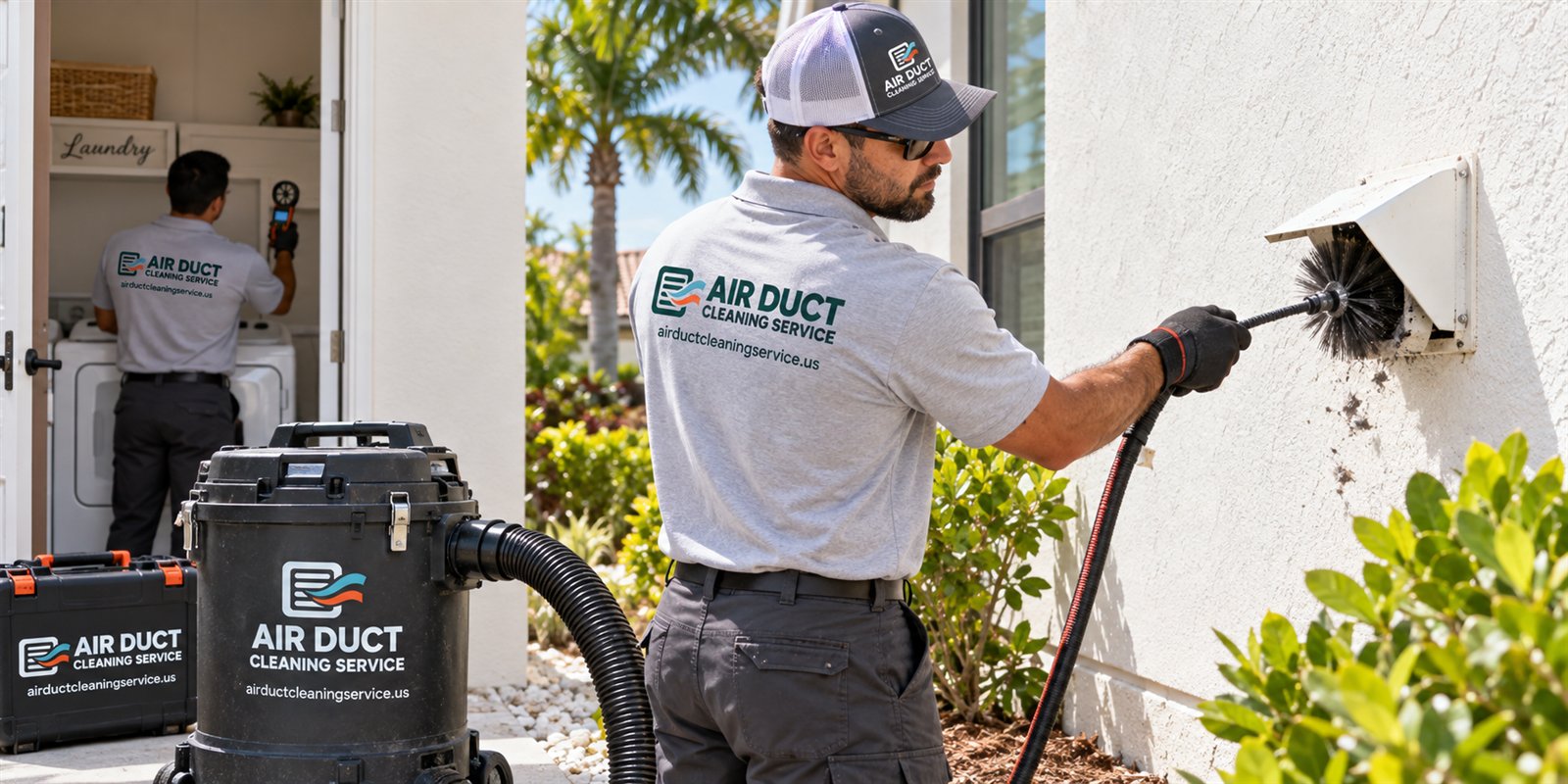
Why the path matters as much as the cleaning
A dryer vent has one job: move hot, damp, lint-laden air from the machine to the outdoors. Every foot of pipe and every elbow slows that air down. A short, straight run lets the dryer exhaust with little effort. A long run with several turns forces the dryer fan to push against resistance, and lint that would have blown out settles on the walls of the pipe instead.
That is why some homes keep having the same problem after each cleaning. Clothes still take a long time to dry, the lint trap seems to fill and the vent fills again within months. The cleaning removed the buildup, but the route is built in a way that invites more of it. In those cases the question is not how to clean better, it is whether the path should change.
This page helps you decide. It does not replace an on-site look, because the right answer depends on where the dryer sits, where the wall or roof exit is, what is in the walls and attic, and what the dryer manufacturer specifies for your model. It does, however, give you the questions to ask and the evidence to gather first.
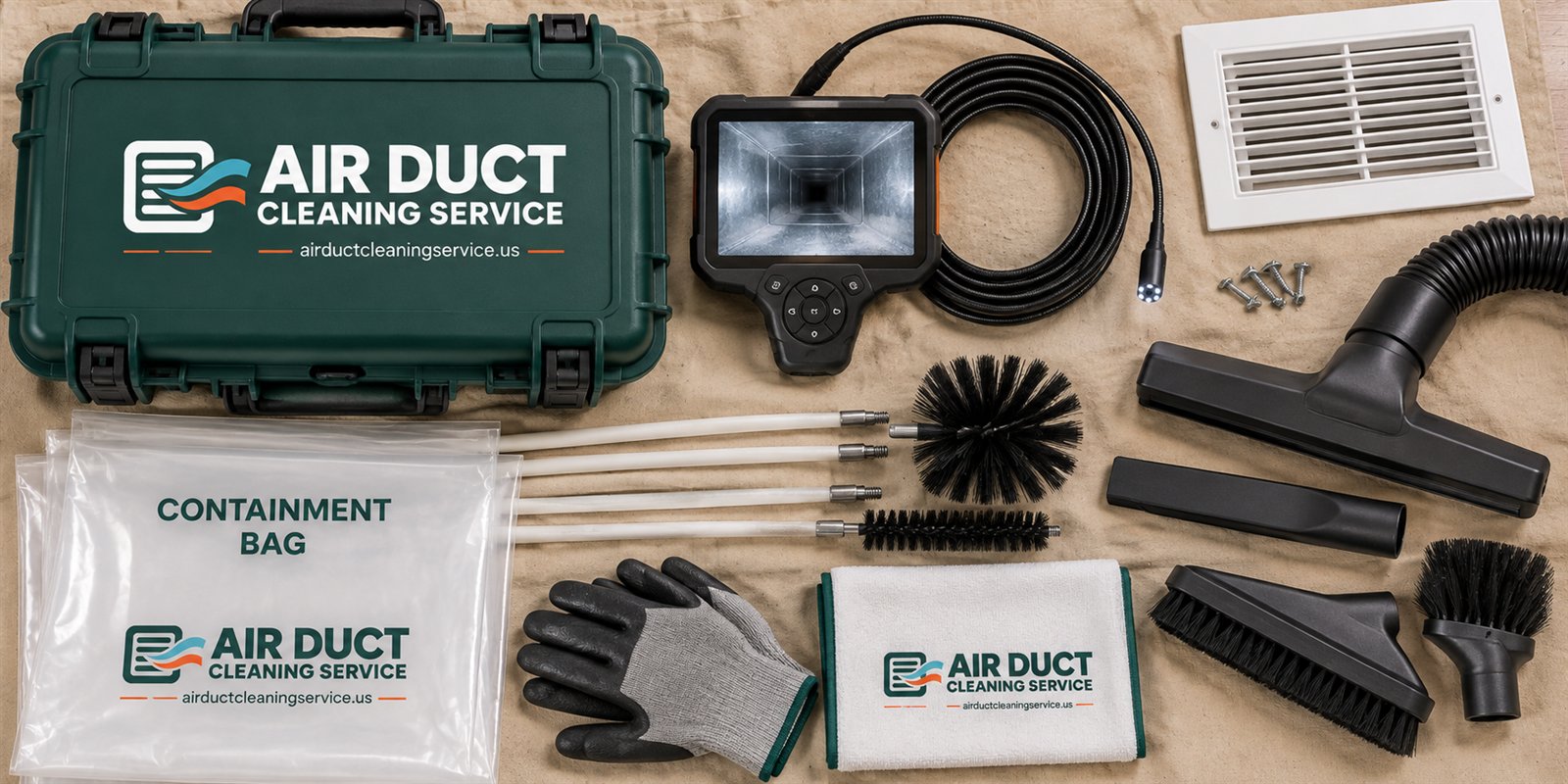
How a dryer vent path goes wrong
In many South Florida homes and condos the laundry area is in the interior of the building, far from an exterior wall. The builder solved that by running the vent up through the ceiling, across the attic or along a soffit, and out through the roof or an upper wall. These routes can be long, and they may include several bends, a sag between supports, and sections of flexible pipe.
Condominium buildings add their own constraints. A vent may share a riser or exit through a common wall, with a long horizontal section above a dropped ceiling. Townhomes may route through a fire-rated chase. Older homes sometimes had a dryer moved from one room to another, leaving a vent path that no longer makes sense for the new location.
Common faults that point to the path itself include a run much longer than the dryer manual allows, many tight elbows, vent pipe that sags and holds lint, a roof cap with a damper that clogs, and a vent that ends in an attic or crawl space rather than outdoors. Each of these is visible to a technician with a camera or access to the pipe.
Evidence that rerouting may be worth considering
The strongest evidence is repetition. If a thorough cleaning was done and, within a short time, the same symptoms return, the path is a likely cause. Photos from the first cleaning, showing where the lint collected, tell a technician whether it gathered at specific elbows, at a long horizontal section or at the exit cap.
Other evidence comes from the dryer itself. A machine that gets very hot, shuts off on its own, leaves clothes damp after a normal cycle, or carries a musty smell suggests exhaust is not leaving properly. A lint-filled exit hood, little airflow from the outside cap while the dryer runs, or lint dust near the dryer itself points the same way.
A technician can also compare your run to the manufacturer's stated limits for length and bends, which are printed in the installation manual and often on the dryer label. If the actual path exceeds what the manual allows, that is documentation worth keeping. See dryer vent cleaning for what a service visit covers and dryer vent fire safety for the wider concern.
- The same symptoms return soon after a thorough cleaning
- Photos show lint collecting at specific bends or a long horizontal section
- Little airflow at the outside cap while the dryer runs
- The dryer is hot to the touch, shuts off early or leaves clothes damp
- The run is longer or has more turns than the dryer manual allows
Options other than rerouting
Not every long run needs to move. Sometimes the answer is simpler. Replacing a crushed or sagging flexible connector with a smoother, better supported pipe can restore airflow. Removing an unnecessary elbow, or replacing a clogged roof cap with a style that is less prone to lint buildup, may help. Cleaning on a more regular basis can keep a marginal run workable.
Some homes benefit from relocating the dryer instead of the vent, if the laundry space allows it. Others use a different approach, such as a condensing dryer that does not vent outdoors, which removes the vent from the picture entirely. Those are appliance decisions with their own tradeoffs in space, drying time and electrical needs, and they are worth discussing with the appliance retailer or the building.
A technician can lay out these alternatives once they have seen the run. The point of this section is to remind you that rerouting is one option in a range, and the least invasive option that solves the problem is usually the better starting point.
What a good reroute looks like
The goal is the shortest, straightest, smoothest path to the outdoors that suits the building. Rigid metal pipe with smooth interior walls is generally preferred over long stretches of ribbed flexible material, because lint catches on ridges. Joints should be taped or fastened in a way that does not use screws protruding into the airflow, which catch lint. The run should slope slightly and be supported so it does not sag.
The exit should be somewhere that actually opens to the outside, with a cap that allows air out without letting pests in, and with enough clearance that it does not discharge into a window, a soffit vent or another opening. A vent that ends in an attic is a hazard because it releases heat and moisture into the structure.
On the inside, the connection to the dryer should be short, secure and accessible, so the pipe can be disconnected and cleaned later. A reroute that makes cleaning harder, for example by burying a joint behind a finished wall, trades one problem for another.
What to leave to a professional
Rerouting a dryer vent involves cutting into walls or ceilings, working in attics, sealing penetrations and sometimes working near gas lines or electrical wiring. For a gas dryer there are additional safety concerns around venting combustion gases. These are not tasks to improvise, and a poorly done reroute can be worse than the original path.
Attic work carries heat, fragile ceiling materials and sometimes insulation that should be disturbed carefully. Roof penetrations need to be flashed and sealed properly, or a vent that solved a lint problem creates a leak. In a condominium, the vent often passes through common elements, so the work may require permission from the association or management first.
The right sequence is to get the path evaluated, have the plan explained in plain language, and confirm who is responsible for permits and approvals. Municipal permit offices can require permits for some mechanical work, and the details differ between cities and buildings. Ask the person doing the work to explain what applies to your property.
Condos and shared buildings
In a condo the dryer vent may belong partly to the unit owner and partly to the building. The pipe inside your unit might be yours to maintain, while the riser or the exterior termination might be a common element managed by the association. Before any rerouting is planned, find out where your responsibility ends.
Associations often have rules about who may work on vents, what insurance a contractor must carry and when work may be done. Some require approval of any change to an exterior wall or roof. A written request that includes photos and a description of the proposed path usually moves things along faster than a phone call alone.
See duct decisions in condos and the HOA and condo board guide for how these responsibilities are usually divided and who to contact first. The same thinking applies to dryer vents even though the pipe is smaller than an air conditioning duct.
Fire and moisture concerns in plain terms
Lint is combustible, and a restricted vent causes the dryer to run hotter than it should. That combination is why dryer vent maintenance is taken seriously. Rerouting is one way to reduce the chance of lint buildup, but a clean, short path is only part of safe operation. The lint trap still needs to be emptied every load, and the area behind the dryer should be kept clear.
Moisture is the other concern. Dryer exhaust carries a lot of water vapor, and in Florida's humid air a restricted vent leaves damp air in the laundry area, which can feed musty odors and mildew on walls or ceilings. A vent that dumps into an attic or a wall cavity is a moisture source that can damage framing and insulation over time.
If you ever notice a burning smell, scorched lint or smoke from the dryer, stop using it, unplug it or turn off its supply, and call 911 if there is any sign of fire. Do not try to investigate a vent that may be on fire. Call a professional only after the situation is safe.
Scenarios that show how the decision plays out
A townhome owner has a laundry closet in the middle of the house. The vent climbs into the attic, runs across several joists, turns twice and exits through the roof. Clothes take two cycles to dry and the roof cap clogs every season. Cleaning restores performance briefly, but photos show lint piling at the elbows. In this case a shorter path, perhaps through a different exit, deserves a serious look.
A condo owner has a dryer on an interior wall with a short run to a shared riser. Drying is slow, but the camera shows a clean pipe and the issue turns out to be a crushed flexible connector behind the machine. Replacing that connector fixes the problem, and no reroute is needed. The evidence kept a larger job from being proposed unnecessarily.
A single-story house has a dryer moved years ago from the garage to a hall closet, and the vent now terminates in the attic. There is no outdoor exit at all. That is a clear case for correcting the path, because moisture and lint are being released into the structure.
Each example shows why the first step is looking at the run rather than choosing a solution in advance.
Questions to settle before you decide
Work through these questions before agreeing to a reroute, and write down the answers. They help you compare options and they give a technician useful information at the first conversation.
If the answers show that the existing run is within the manufacturer's limits and clean after servicing, rerouting may not be needed. If the answers show a long, bent or hidden run, the case for a new path becomes stronger.
- How long is the current run, roughly, and how many bends does it have?
- Where does the vent exit, and is that exit open to the outdoors?
- What does the dryer manual say about maximum length and turns?
- Did lint return soon after the last cleaning, and where did photos show it collecting?
- Is part of the path in an attic, a ceiling or a common building element?
- Is the dryer gas or electric?
- Who has authority over any wall, roof or shared component involved?
Calling to talk it through
When you call, describe the symptoms, the age of the dryer, where it sits in the home and where you think the vent exits. If you have photos of the outside cap or the connection behind the dryer, have them ready. Mention any earlier cleanings and what was found.
A technician may suggest a camera look at the vent to see where lint collects and whether the pipe sags or leaks. That visit can answer whether cleaning alone will hold up. Quotes for any rerouting are given by phone, complex work needs an on-site visit, and the service call charge is explained on the phone before dispatch.
If your dryer vent has been a recurring headache, call and walk through it. A clear look at the path often settles the question faster than another round of cleaning.
Questions people ask
How do I know if my dryer vent is too long?
Check the dryer's installation manual or label for its maximum run length and number of bends, then compare it to your actual path. Signs that it is too long include damp clothes after a normal cycle, a hot dryer, and lint that returns soon after cleaning. A technician can measure the run and look at it with a camera.
Will cleaning fix a long vent run?
Cleaning removes the lint that has built up, which often restores performance for a time. It does not shorten the path or remove bends, so on a marginal run the lint may return quickly. Photos from a cleaning show where lint collects, which helps decide whether rerouting is worth discussing.
Can I reroute the vent myself?
It is not recommended. Rerouting involves cutting into walls or ceilings, working in attics, sealing roof or wall penetrations, and sometimes working near gas or electrical lines. A poor reroute can cause leaks, fire risk or moisture damage. A qualified professional should evaluate it and explain any permit or approval needs.
Does a condo owner need permission to change a dryer vent?
Often yes. Parts of the vent, such as risers, exterior walls or roof exits, may be common elements that the association controls. Ask management what is yours and what is shared, whether approval is needed, and what insurance or documentation contractors must provide before any work is planned.
What if I smell burning when the dryer runs?
Stop the dryer, unplug it or turn off its supply, and keep everyone away from it. If there is smoke, flames or you think a fire has started, call 911 first. Do not open walls or pull on the vent to investigate. Once the situation is safe, call a professional to inspect the vent.
What should I have ready when I call?
Have the dryer model and fuel type, an estimate of the run length and bends, where the vent exits, and any photos of the outside cap or the connection. Mention earlier cleanings and what happened afterward. Quotes are given by phone, and complex jobs need an on-site visit with the service call charge explained first.
Describe the situation by phone and we will tell you what the job involves. Quotes are given by phone. Jobs that cannot be quoted without seeing them need a technician on site, and the service call charge is explained on the phone before anyone is dispatched.
Related pages
- Dryer Vent Cleaning: Why long vent runs and rooftop terminations in Florida homes collect lint, what clearing a dryer exhaust involves, and the warning signs worth acting on.
- Dryer Vent FAQ: Plain answers on dryer vent lint, airflow and warning signs: what causes buildup, what you can check safely and when a technician should take a look.
- Unit or Building: Find out who owns a duct problem in a condo: unit scope, common elements, shared risers, and who to contact first so work is not delayed or disputed.
- HOA and Boards: What HOA and condo boards should know about duct work: common elements versus unit responsibility, choosing vendors, notices, records and avoiding disputes.
- When to Call: Which signs justify calling a duct professional, which can wait, and which mean stop and call right away, with a clear triage list for worried homeowners.
- Filter Upgrade: Decide whether a higher-rated air filter suits your system: fit, airflow resistance, signs of strain, and what a filter can and cannot do for your ducts.